 français


Recherche
QU'EST-CE QUE TU CHERCHES?


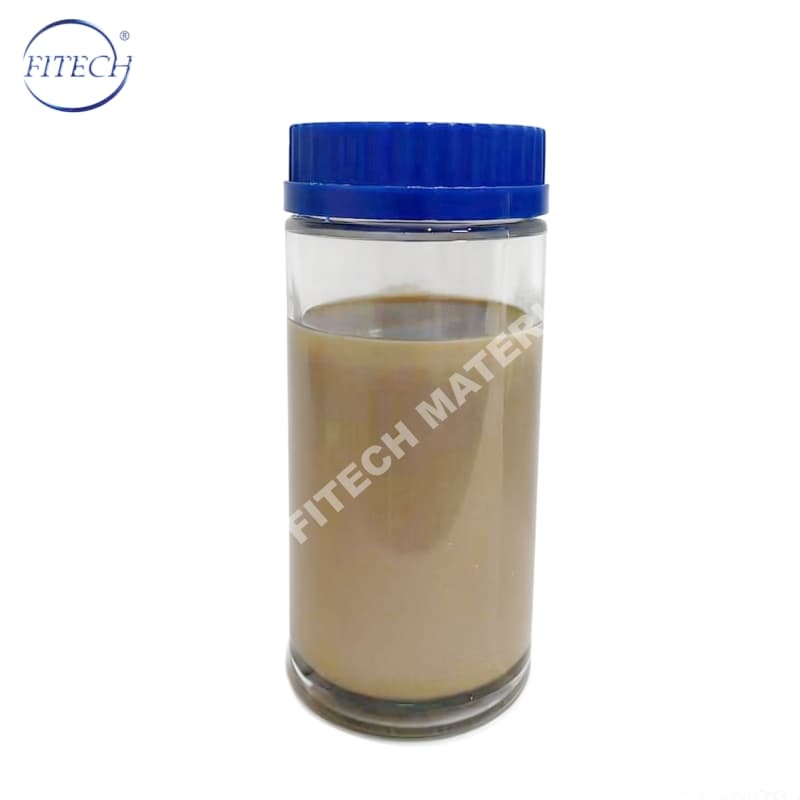
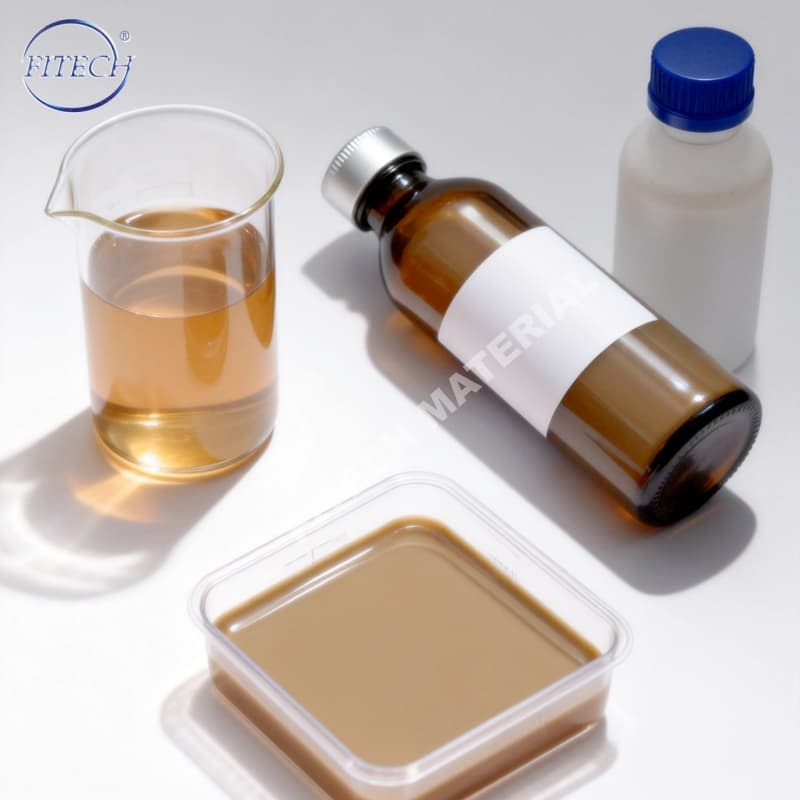
Notre bonne qualitéPassivateur au vanadiumestPassivation au vanadium du craquage catalytique en lit fluidisé (FCC) pour le raffinage du pétrole. Lors du craquage catalytique, notamment avec des huiles lourdes comme matière première, les métaux lourds présents, tels que le vanadium, se déposent sur le catalyseur, provoquant son empoisonnement et sa désactivation, ainsi qu'une diminution de la sélectivité. Il en résulte une réduction du rendement en huile légère et une augmentation de la production d'hydrogène et de coke. Pour remédier à la contamination des catalyseurs de craquage catalytique par le vanadium, un agent passivant peut être utilisé afin d'inhiber l'effet toxique de ce métal sur le catalyseur.
Formule moléculaire :
Sn,Ni,Sb,Rare earthCode SH :
3815900000Lieu d'origine :
ChinaGrade :
Industrial GradeEmballage :
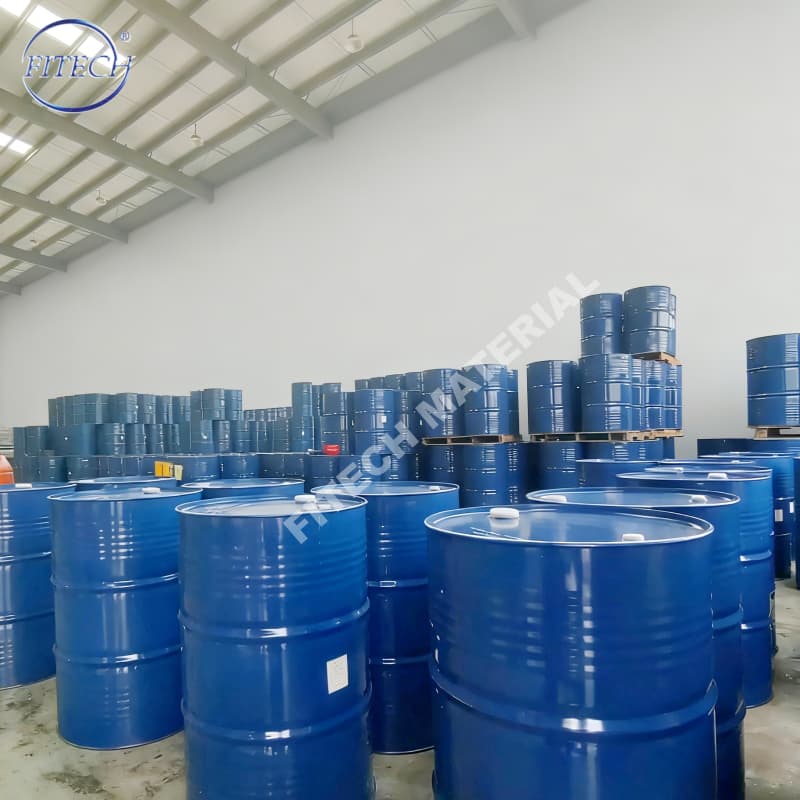
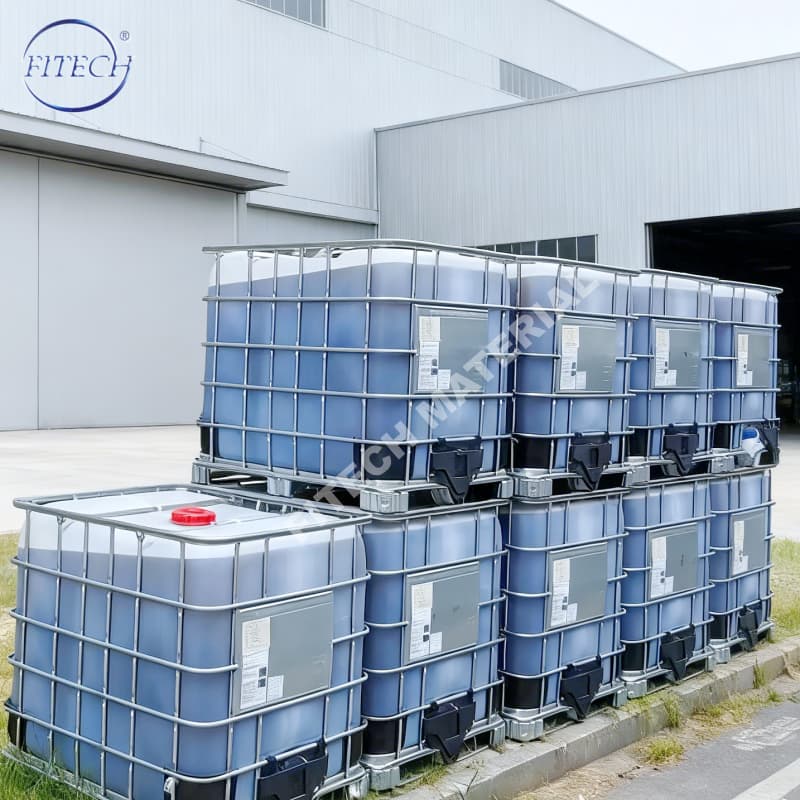
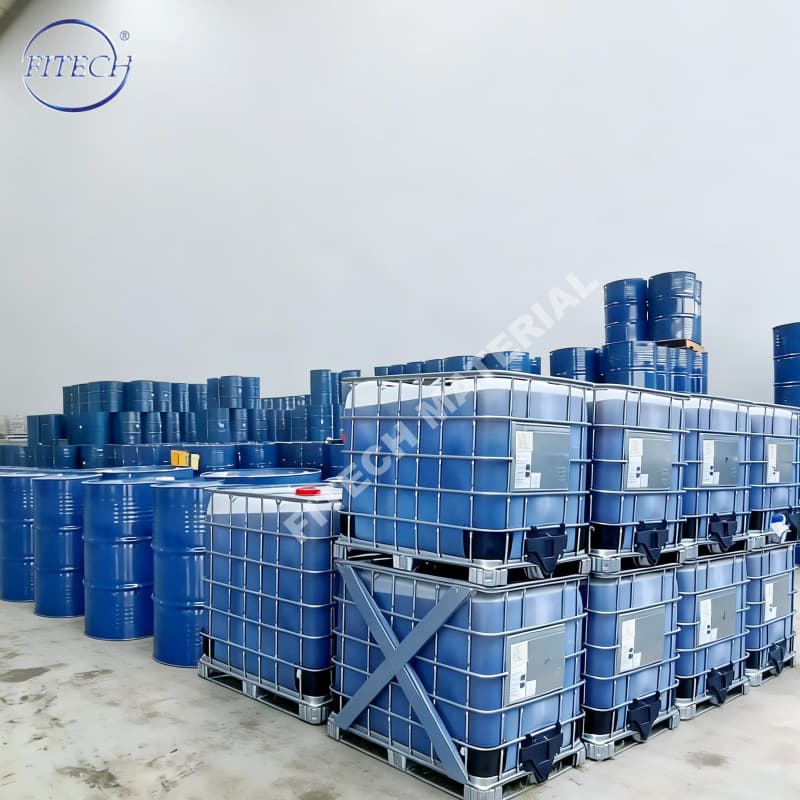
200L iron drum/IBC drumApparence :
Gray or Brown Liquid
Informations de base
L'étain, les métaux alcalino-terreux et les terres rares réagissent avec le pentoxyde de vanadium pour former des composés stables à point de fusion élevé, qui inhibent la migration du vanadium vers la phase zéolite et la formation d'acide vanadique.
Les complexes formés par la réaction des métaux alcalino-terreux avec des substances faiblement acides agissent comme des composants passifs du vanadium, entrant en compétition avec les tamis moléculaires pour capturer et générer des vanadates de métaux alcalino-terreux stables, ce qui inhibe l'effet promoteur sur l'hydrolyse des tamis moléculaires et stabilise ainsi la structure des tamis moléculaires.
En utilisant des composés de métaux de transition pour subir une substitution de réseau avec du vanadium, le point de fusion de la phase est augmenté et la migration du vanadium vers la phase massive de la zéolite est inhibée, ce qui permet de supprimer la pollution au vanadium.
Spécification
Grade | Solubilité | Fonction et application | Remarques |
FIBF-MD511 | Liposoluble | Passivation au vanadium du craquage catalytique en lit fluidisé (FCC), pour le raffinage du pétrole. | sel complexe d'acide carboxylique liposoluble |
FIBF-MD315 | Liposoluble | suspension nano | |
FIBF-110A | Liposoluble | carboxylate de magnésium |
Application
1. Protéger l'activité du catalyseur : C’est là l’objectif le plus direct. En inhibant les effets destructeurs du vanadium, on maintient l’activité prévue du catalyseur, garantissant ainsi la capacité de traitement unitaire et les taux de conversion.
2. Améliorer le rendement des produits cibles :
Augmenter le rendement en essence et en GPL : Il protège les sites acides et la sélectivité de forme du catalyseur, permettant ainsi de convertir davantage de pétrole lourd en essence et en oléfines de grande valeur.
Réduire le rendement en gaz sec et en coke : Minimise les réactions de craquage non sélectives dues à la désactivation du catalyseur.
3. Consommation de catalyseur réduite : À mesure que le taux de désactivation du catalyseur ralentit, la quantité de catalyseur frais nécessaire au maintien de l'activité d'équilibre du système diminue, ce qui réduit directement les coûts d'exploitation.
4. Améliorer la flexibilité opérationnelle : Elle permet aux raffineries de traiter en toute sécurité des matières premières de moindre qualité mais à teneur plus élevée en vanadium, réduisant ainsi les coûts d'approvisionnement en pétrole brut. C'est là l'un de ses principaux atouts économiques.
5. Synergie avec les passivateurs de nickel : De nombreux agents passivants commerciaux sont des « passivants bimétalliques (Ni-V) » contenant des composants tels que l'antimoine (pour passiver le nickel) et des éléments d'étain/terres rares (pour passiver le vanadium). Ils permettent de neutraliser simultanément les deux principaux poisons catalytiques.
Emballage
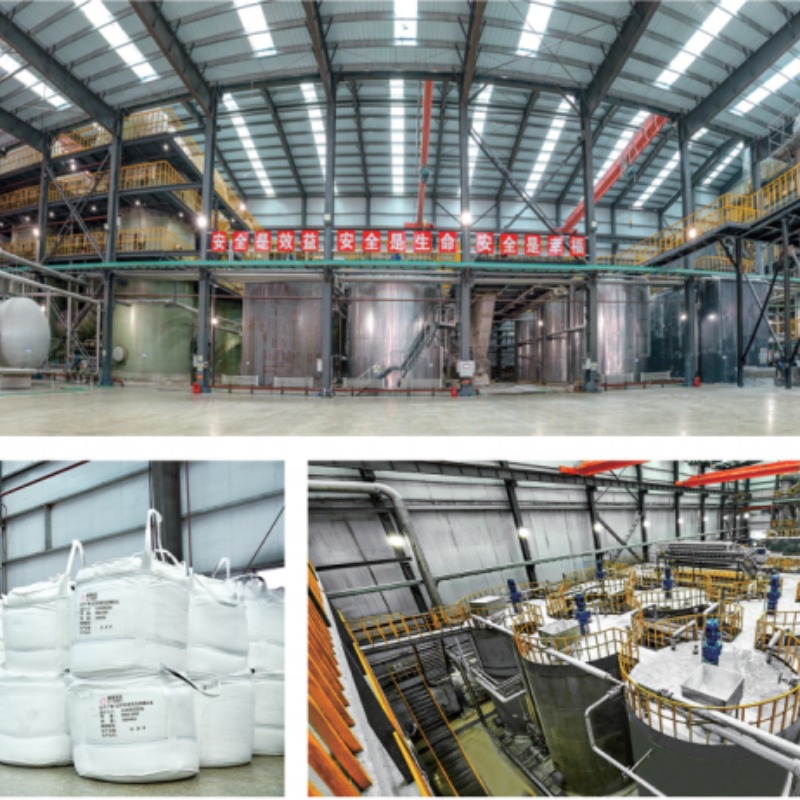
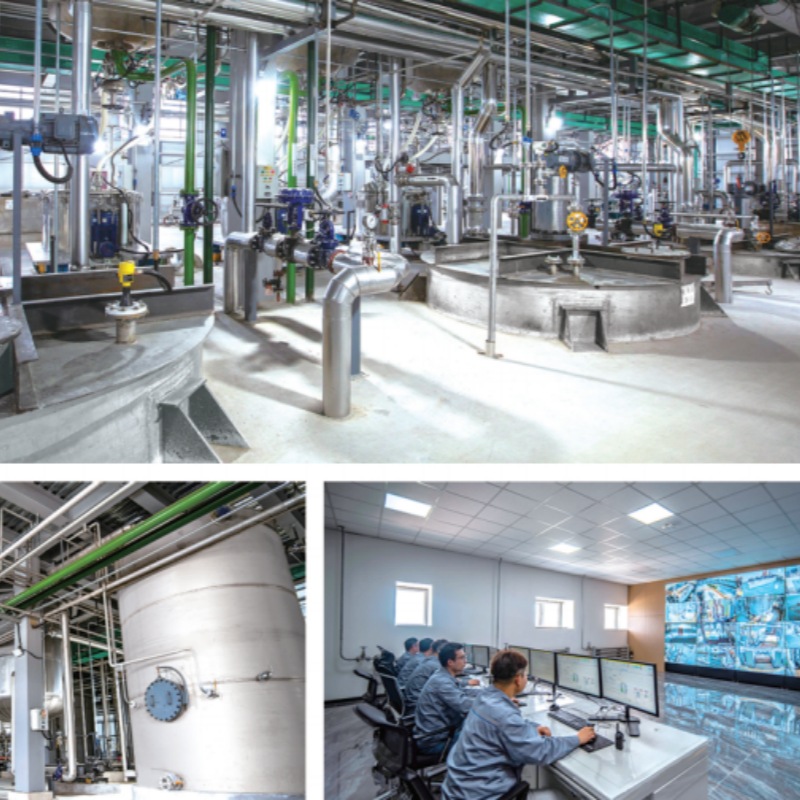
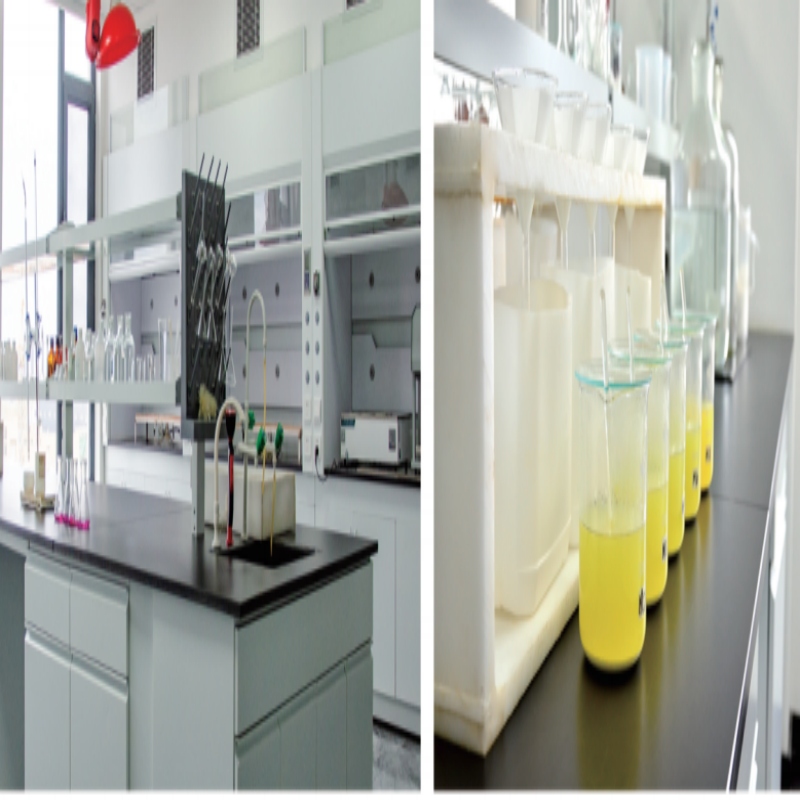
Certificats
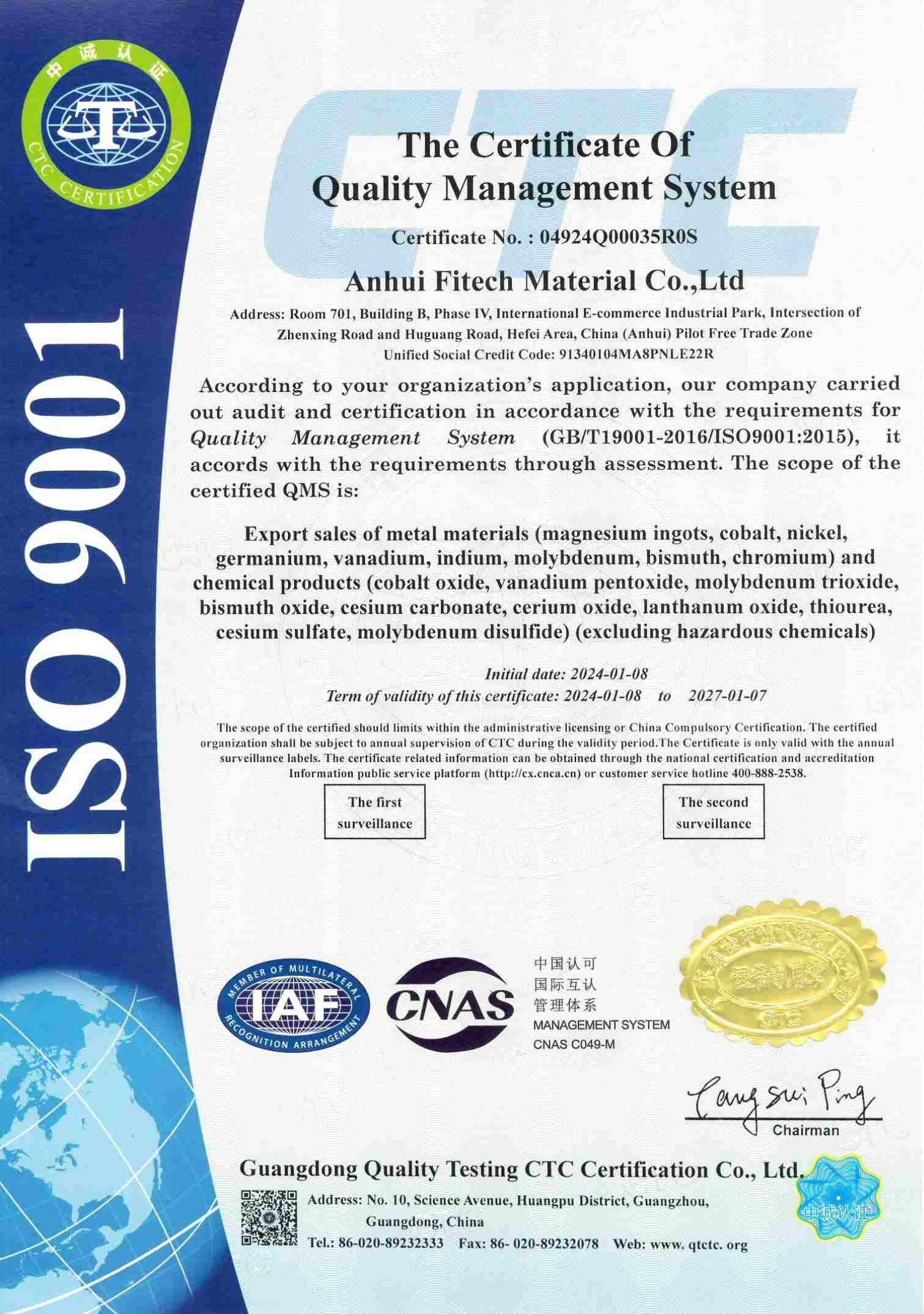
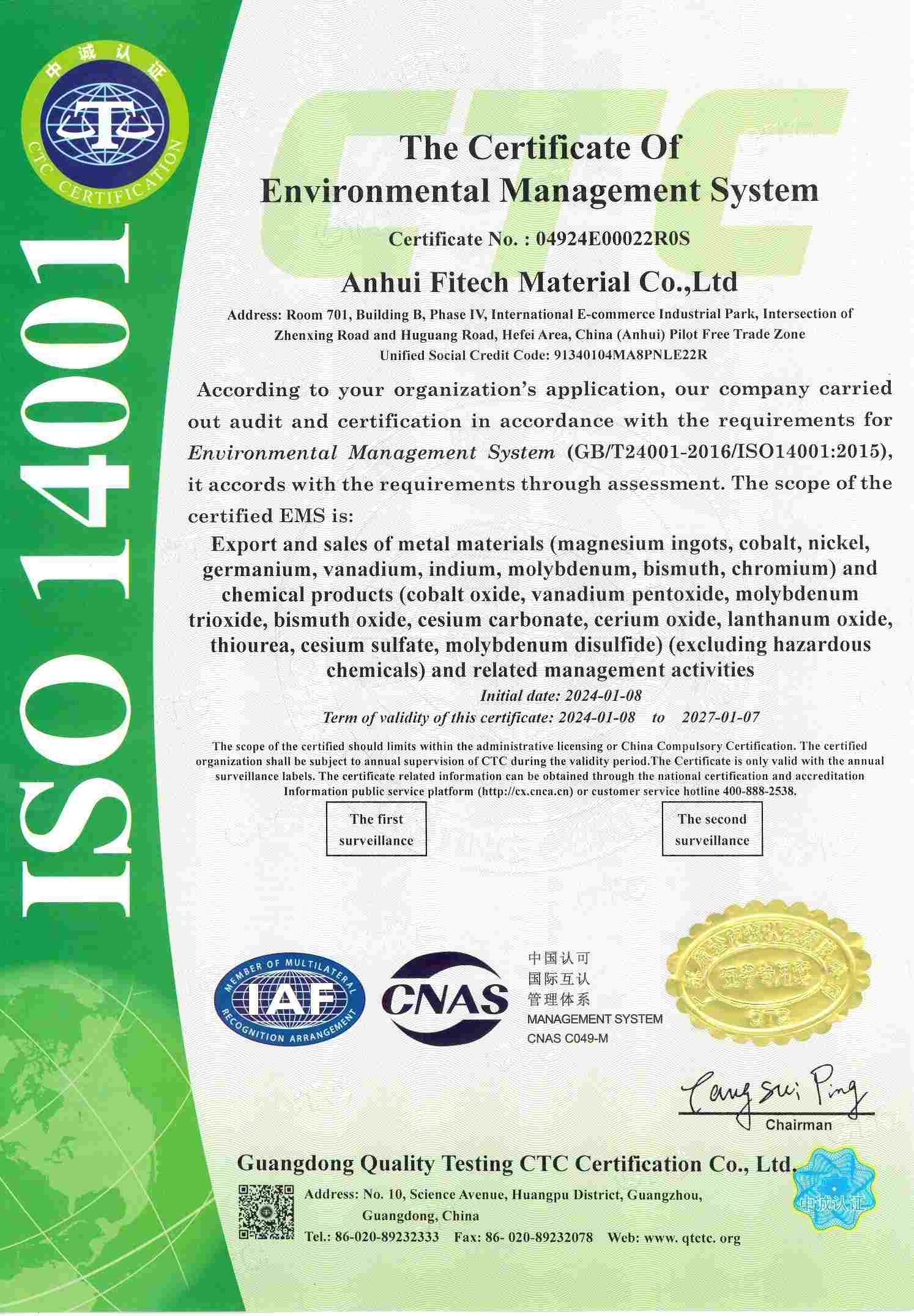
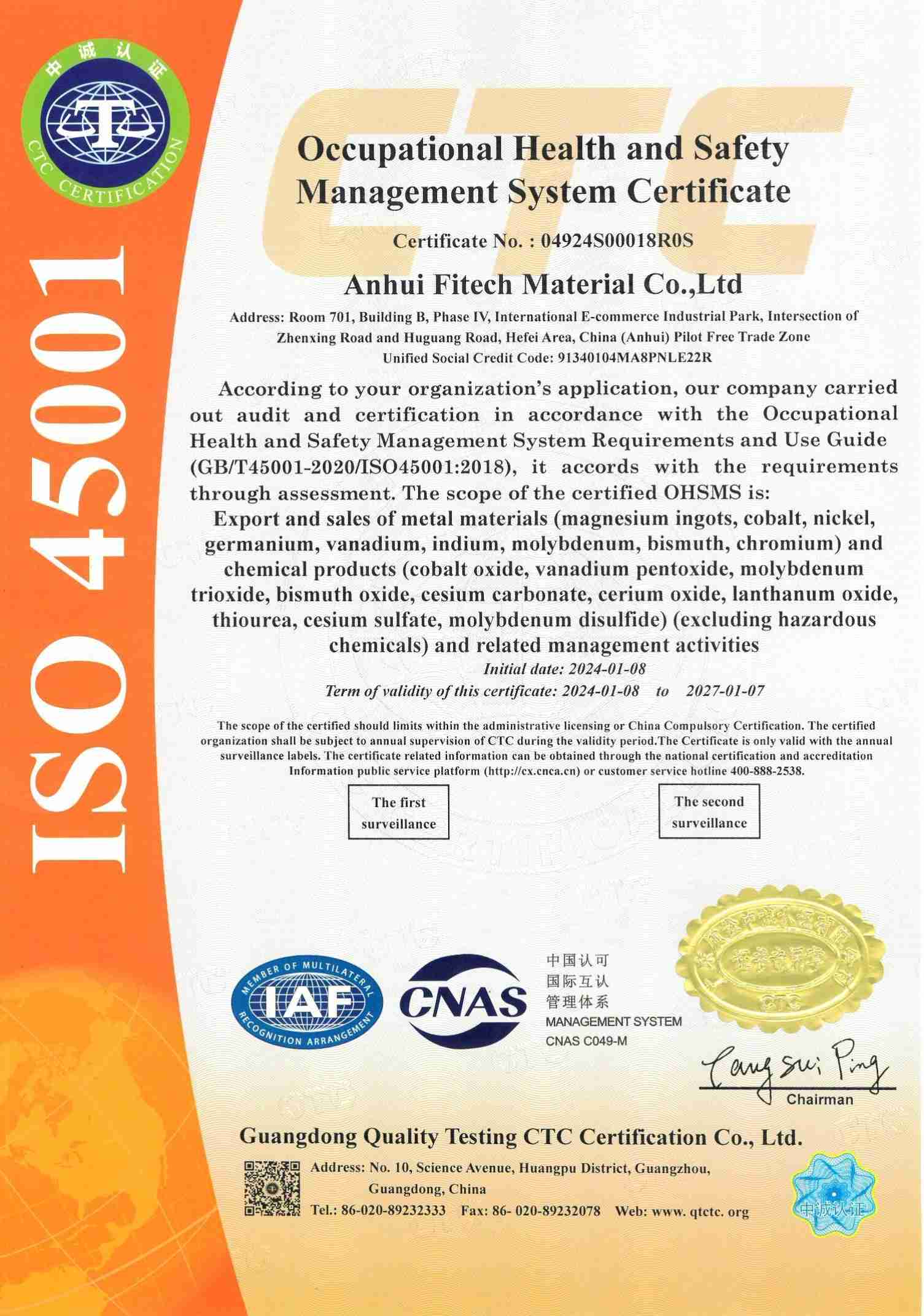
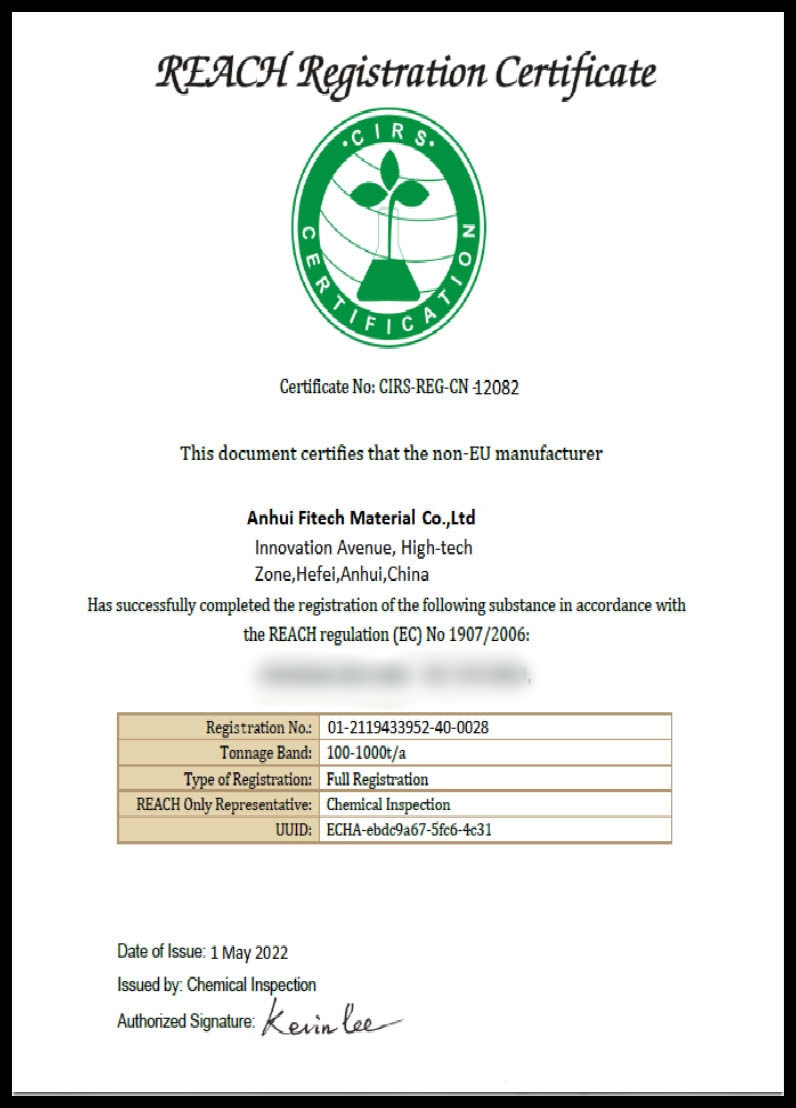
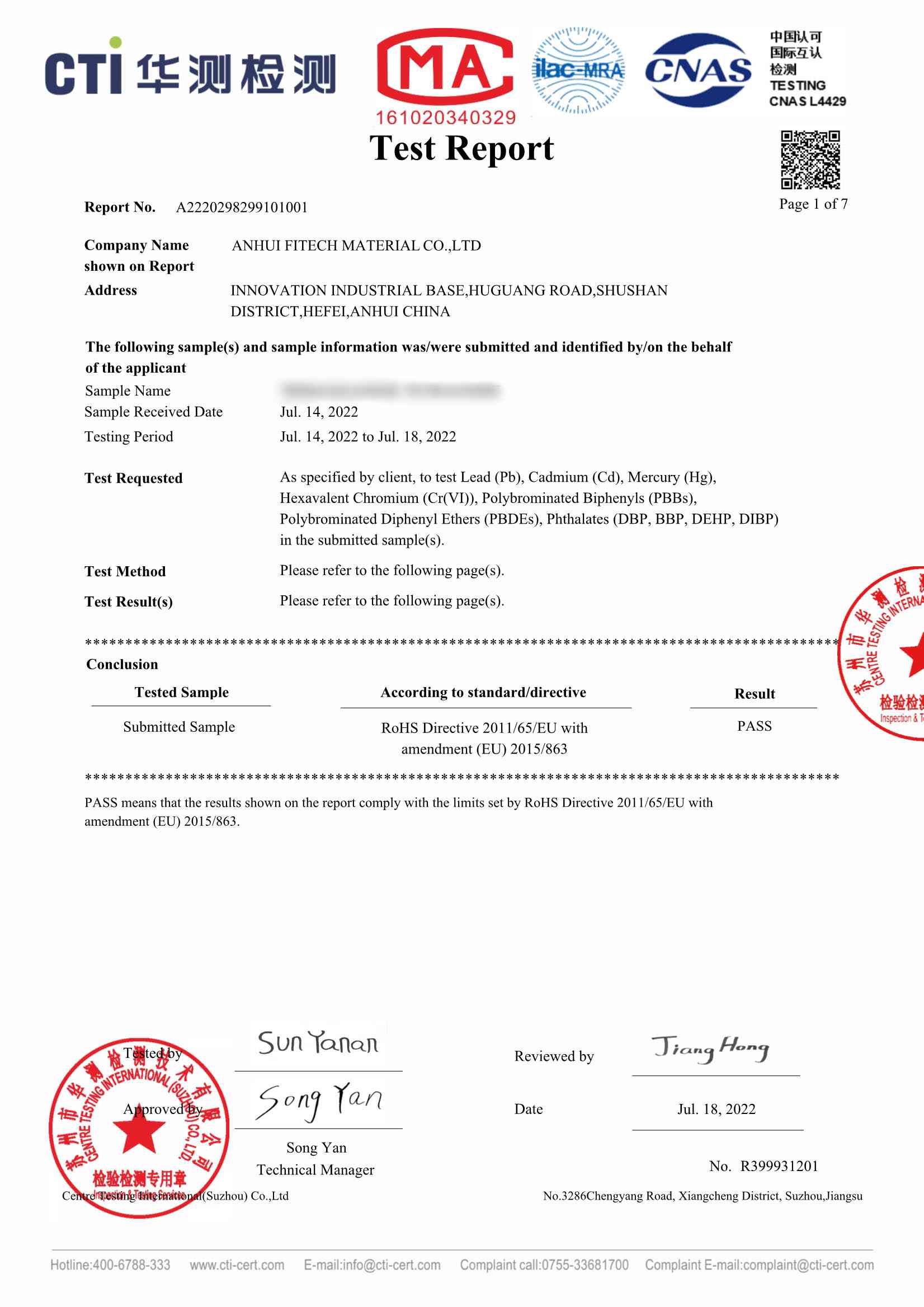
Les produits ont été approuvés par la FDA, REACH, ROSH, ISO et d'autres organismes de certification, conformément aux normes nationales.
Facteur
y
FAQ
Q : Êtes-vous une société commerciale ou un fabricant ?
A: Nous sommes une usine.
Q : Quel est votre délai de livraison ?
R : Généralement, le délai est de 5 à 10 jours si les marchandises sont en stock. Sinon, il est de 15 à 20 jours, selon la quantité commandée.
Q : Fournissez-vous des échantillons ? Sont-ils gratuits ou payants ?
R : Oui, nous pouvons vous offrir l'échantillon gratuitement, mais les frais de transport sont à votre charge.
Q : Quelles sont vos conditions de paiement ?
A : Paiement<1 000 USD = 1000 USD : paiement intégral à l’avance. Paiement ≥ 1 000 USD : acompte de 30 % par virement bancaire, solde avant expédition.
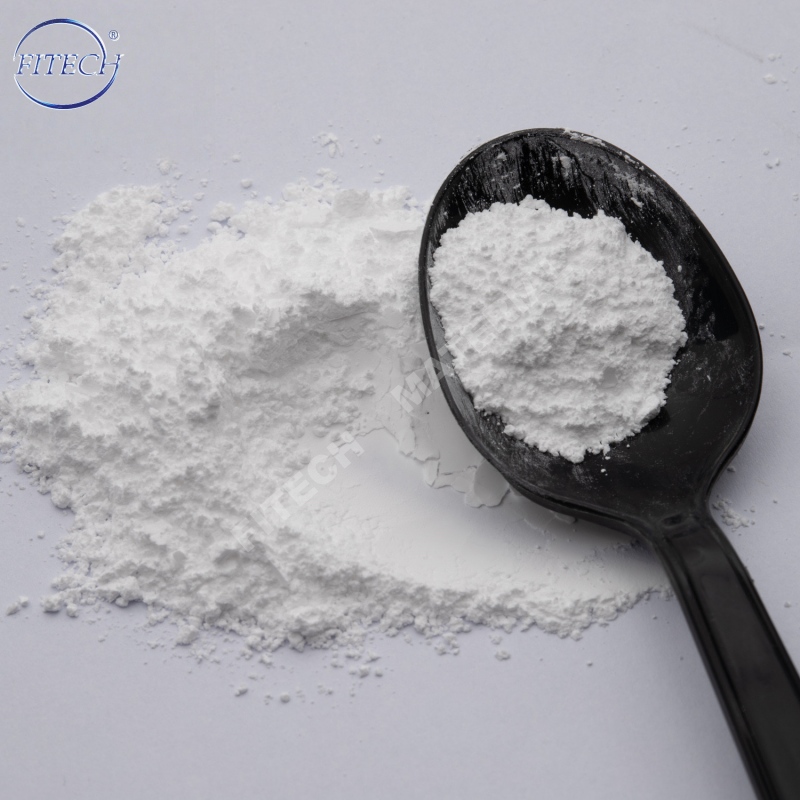
carbonate de lithiumCristaux monocliniques incolores ou poudre blanche. Soluble dans les acides dilués, légèrement soluble dans l'eau. Matières premières courantes pour les batteries lithium-ion.
VOIR PLUS
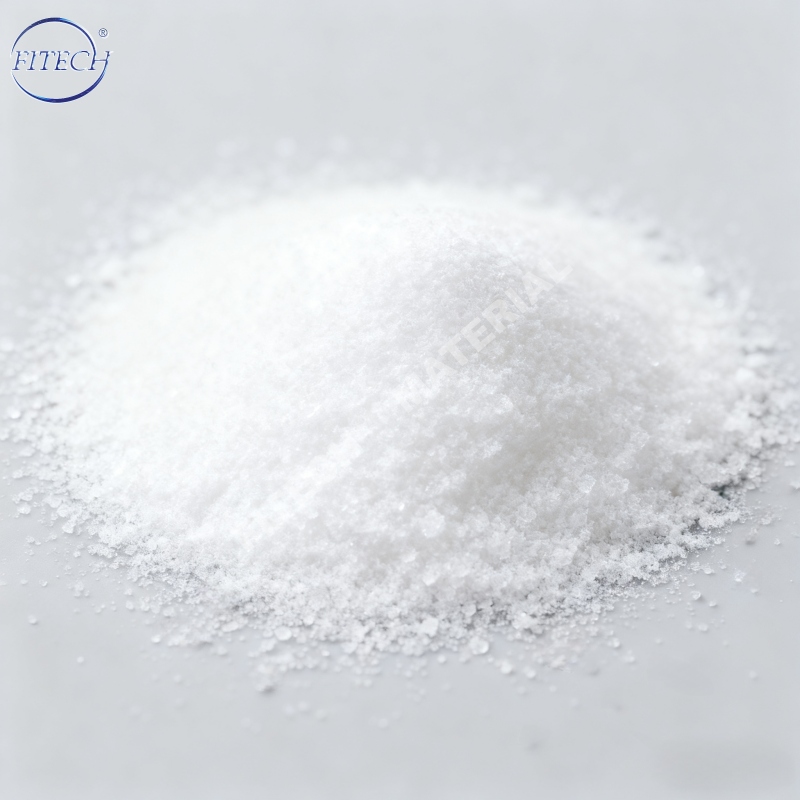
chlorure de lithiumCristal blanc hygroscopique. Goût salé. Soluble dans l'eau, l'éthanol, l'acétone, la pyridine et d'autres solvants organiques.
VOIR PLUS
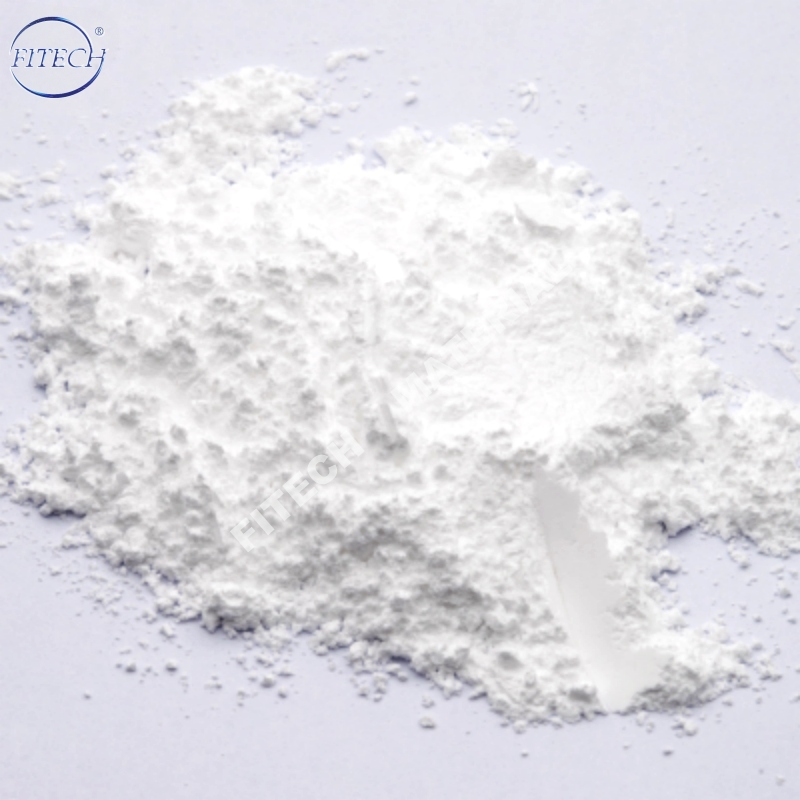
Fluorure de lithium, poudre blanche, densité relative 2,653, point de fusion 848℃, insoluble dans l'eau, insoluble dans l'éthanol et l'acétone, soluble dans l'acide, et forme LiHF2 avec HF.
VOIR PLUS
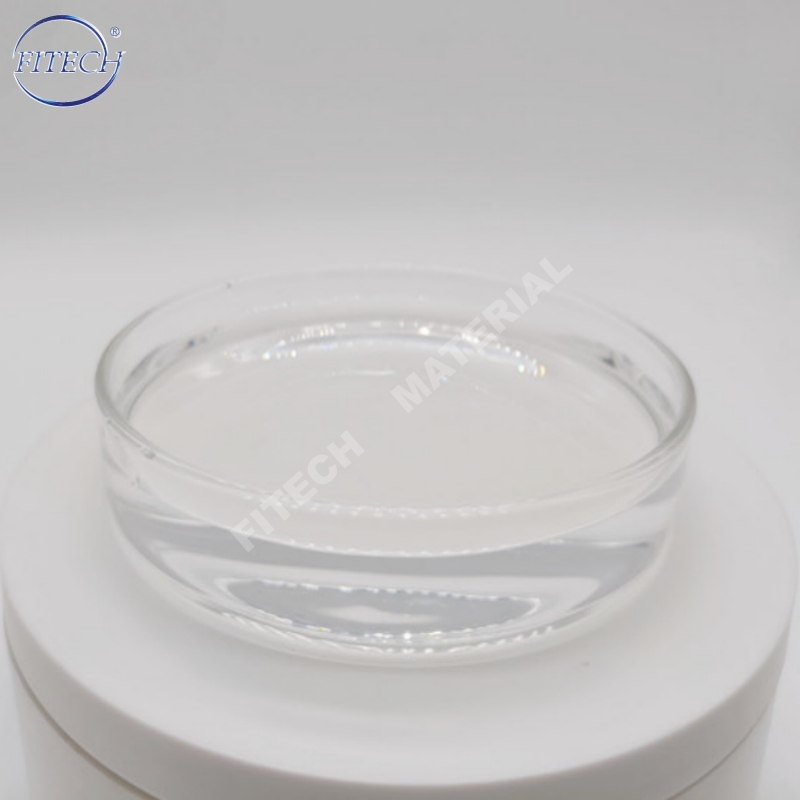
Acide bis(2,4,4-triméthylpentyl)phosphinique, liquide incolore à jaune pâle à l'arôme fruité ; faiblement acide, non toxique et non corrosif pour l'acier et la plupart des plastiques.
VOIR PLUS
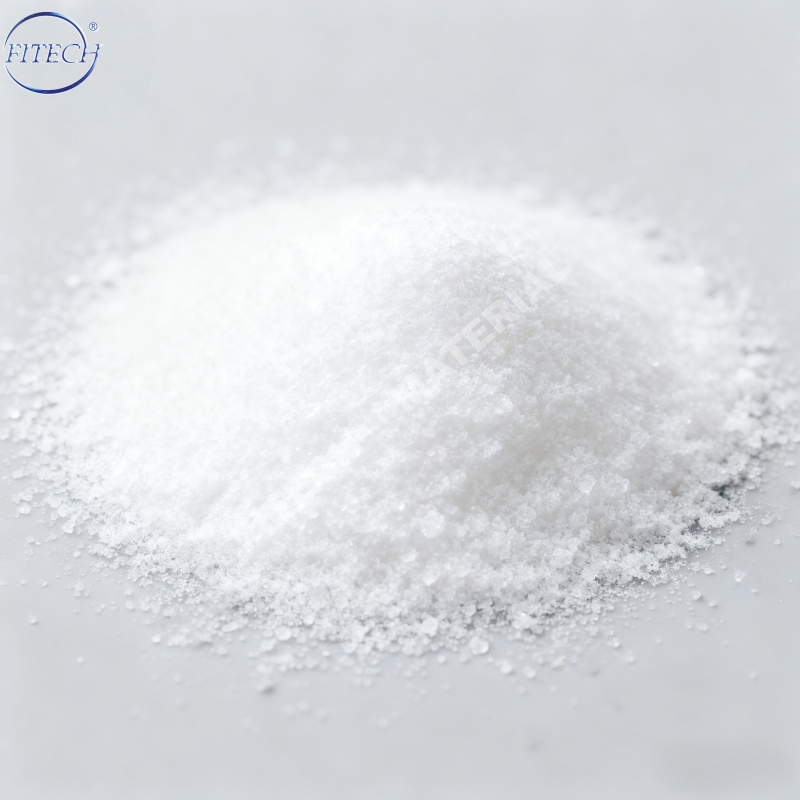
Phosphate de lithium, poudre cristalline blanche, d'une densité de 2,54 g/cm³, d'un point de fusion de 837℃, légèrement soluble dans l'eau froide, facilement soluble dans les acides et l'eau ammoniacale, et insoluble dans l'acétone.
VOIR PLUS
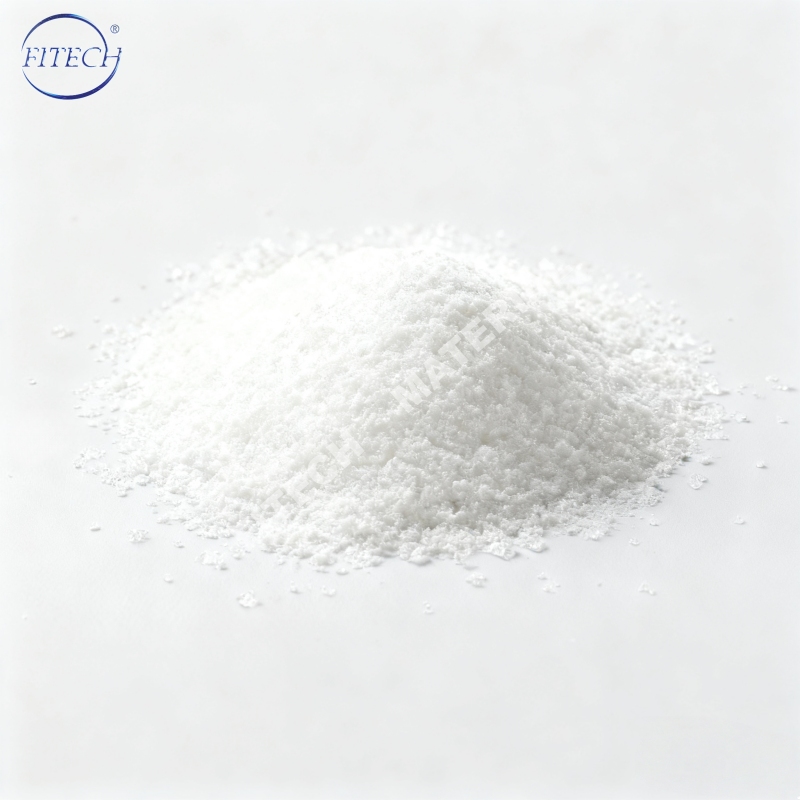
phosphate dihydrogéné de lithiumLiH₂PO₄. Masse moléculaire : 103,93. Cristaux incolores. Déliquescents. Forte hygroscopicité. Densité : 2,461. Point de fusion supérieur à 100 °C. Très soluble dans l’eau, ne forme pas d’hydrates.
VOIR PLUS
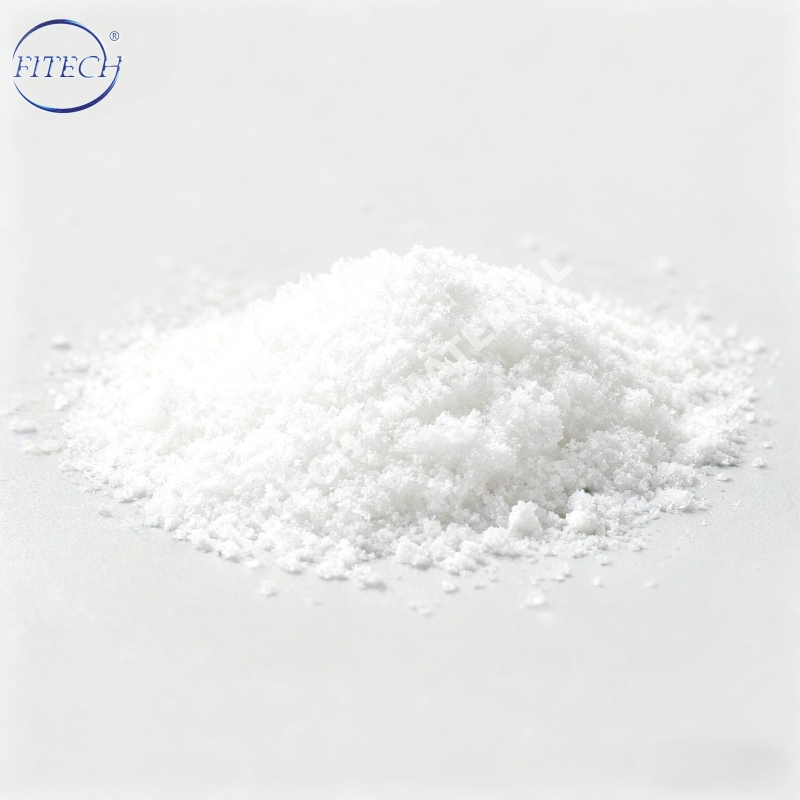
Sodium MolybdateLe trioxyde de molybdène, de formule chimique Na₂MoO₄, se présente sous forme de cristaux blancs rhombiques. Il peut être produit par oxydation et grillage d'un concentré de molybdène, suivi d'une lixiviation à la soude caustique liquide pour former une solution de molybdate de sodium. Après filtration, concentration, refroidissement, centrifugation et séchage, on obtient le molybdate de sodium.
VOIR PLUS
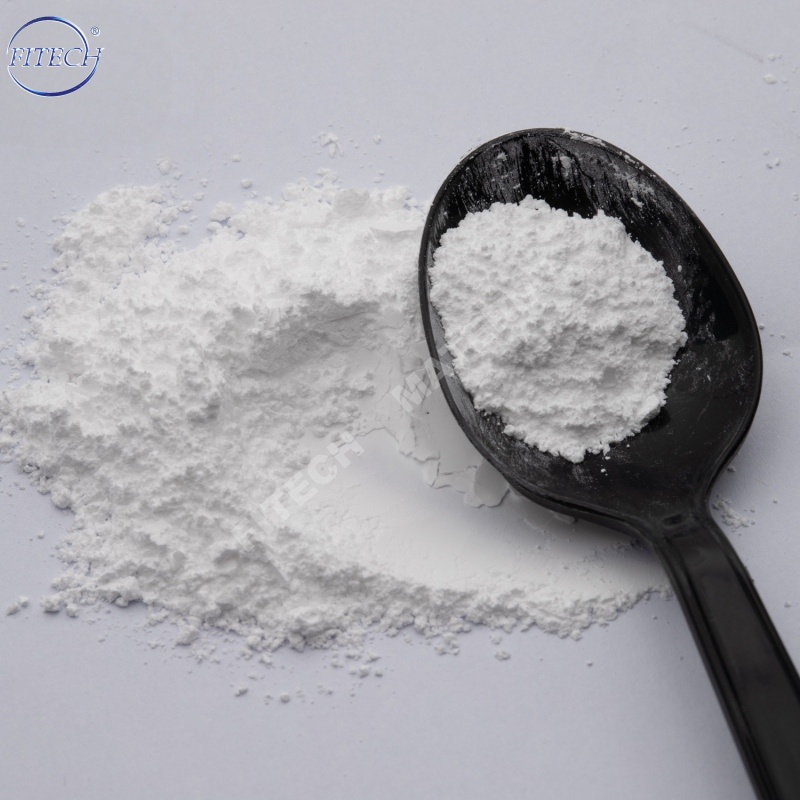
Polyphosphate d'ammoniumCette poudre blanche présente une vitesse d'hydrolyse variable selon la taille des particules, la température et le pH. L'hydrolyse s'accélère lorsque la température augmente et que le pH diminue.
VOIR PLUS


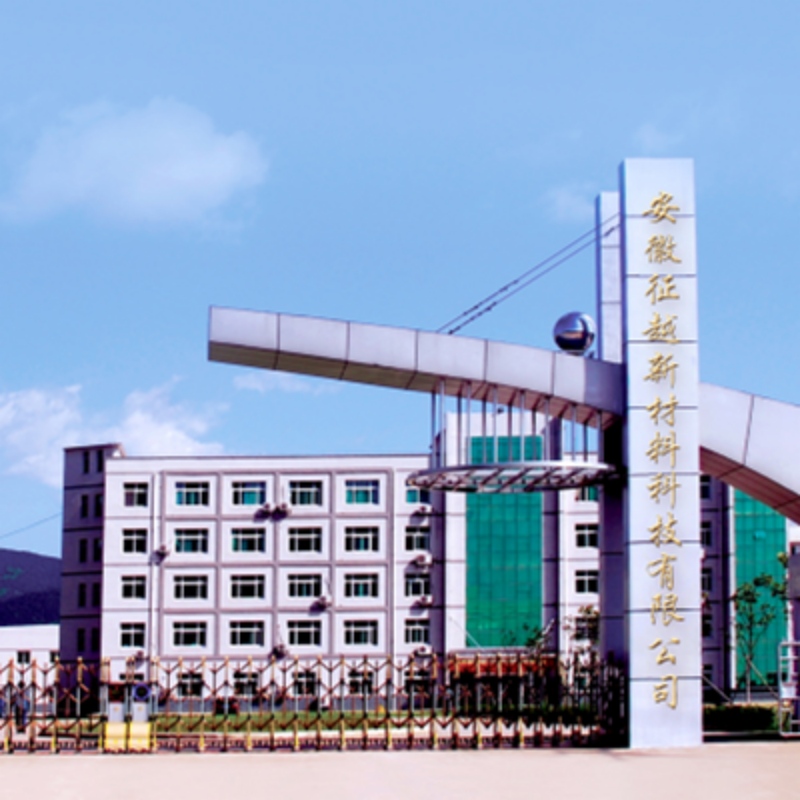
Innovation industrial base, Huguang Road, Shushan District, Hefei, Anhui, China.
Droit d'auteur
@ 2026 Anhui Fitech Material Co., Ltd. Tous droits réservés
. RÉSEAU PRIS EN CHARGE
laissez un message
Numériser vers Wechat :

Numériser vers WhatsApp :